
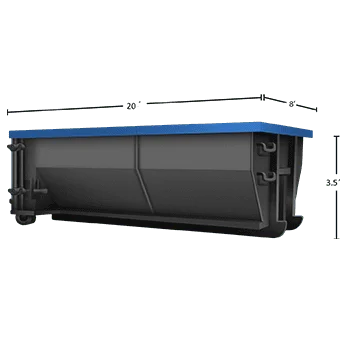
Choose the container for the actual material
Describe the cleanup or construction work and the load it produces. Ask about suitable equipment, accepted materials, operating limits and any item needing separate handling. Review how people will load it without assuming every container has the same doors or loading arrangement. Keep uncertain waste out until its acceptance is clear, and do not use equipment outside the provider’s instructions.
Look ahead to changes around the position
New paving, landscaping, fences or stored materials can affect the route even when the container has not moved. Explain the project sequence to the provider and responsible site contact before selecting the position. Do not create an installation that depends on a later unauthorised move. Property protection and the suitability of a surface need actual review, not an unsupported promise that a truck can use it.
Resolve a changed collection approach early
Tell the provider if the accepted approach will no longer be available. Ask the responsible people to review a practical response before completing work that prevents collection. Do not tow the container, cut a new access route or ask an uninformed visitor to approve crossing another property. The appropriate supplier and property decisions must remain connected to the actual equipment and site.
Keep material and timing changes explicit
Request collection or an exchange using the current load and property information. Ask about applicable terms if the work period changes. Brighton licensing and any relevant permitting remain separate from a container recommendation. A useful proposal should make the load, equipment, accepted position and continuing collection access understandable without guaranteeing an unconfirmed vehicle visit.
Questions before you book
Should we tell the provider about new paving planned before collection?
Yes. Review any change that may affect the accepted truck approach or equipment position before relying on the original collection arrangement.